Stormwater Pond Compliance in South Carolina: What Carolina Forest HOAs and Property Managers Don't Know Can Cost Them
Does your Carolina Forest HOA have a documented stormwater maintenance plan that would hold up under a Horry County inspection?
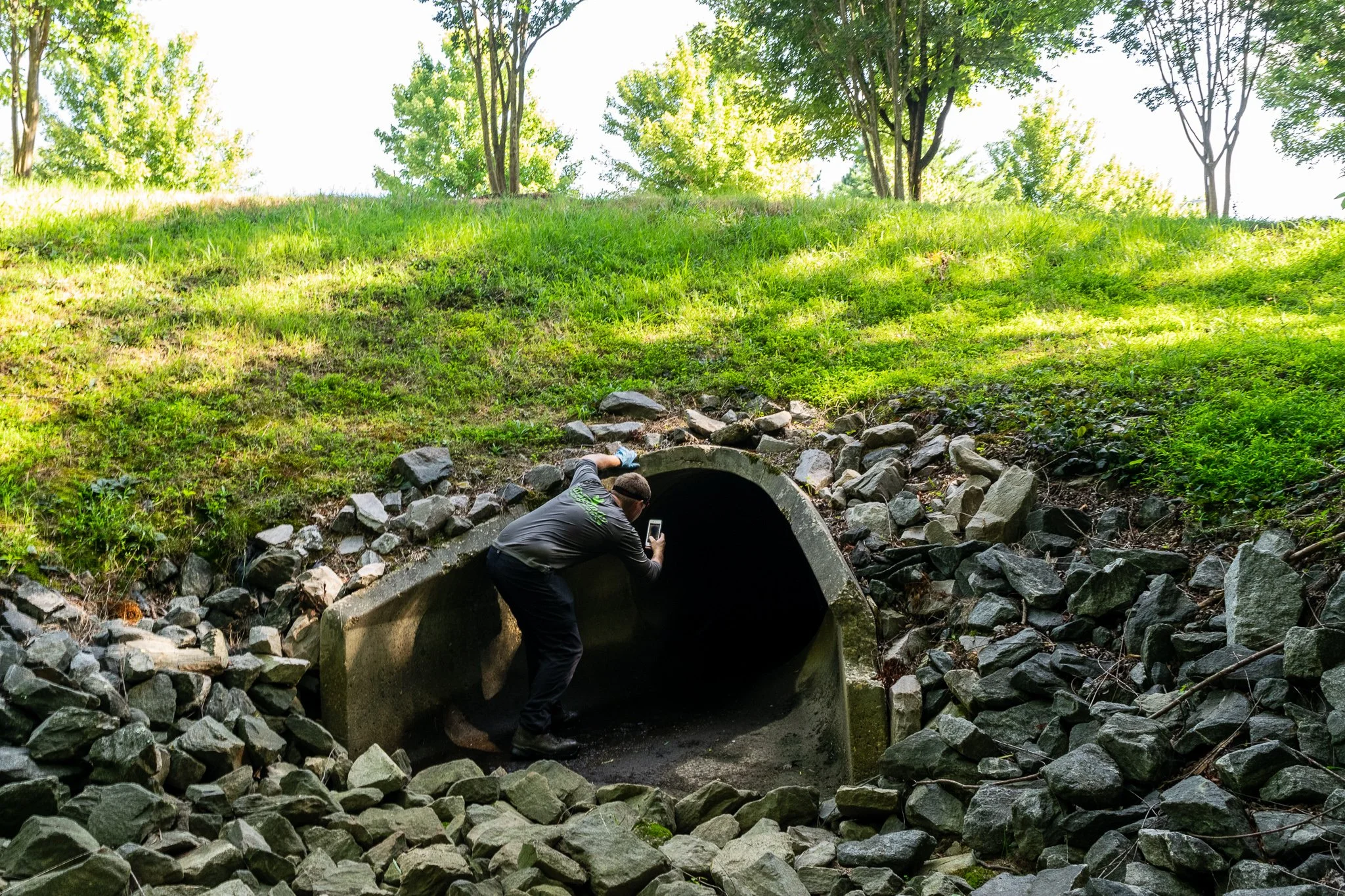
For most HOA boards and community managers in Carolina Forest, the honest answer is no. And that gap between what the county requires and what most communities are actually doing is exactly where compliance problems and additional cost to fix them begin.
Stormwater pond compliance is not a topic that gets much attention until something goes wrong. A failing outlet structure. An eroding pond bank that has been slowly worsening for two seasons. A county inspection that turns up deficiencies the board didn't know existed. At that point, what might have been a manageable maintenance cost becomes a corrective repair project, and the HOA is on the clock to address it.
This article explains what Horry County actually requires of HOAs that own stormwater ponds, what county inspections look for, where most communities fall short, and what a compliant maintenance program looks like in practice.
The Legal Foundation: What Horry County Requires
Compliance for Carolina Forest HOAs doesn't start with a county inspection. It starts with a document that most boards have never read, and may not even know they have.
When a residential development is permitted in Horry County, the owner or developer is required to record a Stormwater Practices Permanent Maintenance Covenant with Horry County. When the developer transfers control of the community to the HOA, that covenant transfers with it. The HOA becomes legally bound by its terms regardless of whether anyone on the current board has ever seen the document.
The covenant is specific about what it requires. Horry County's standard Stormwater Practices Permanent Maintenance Covenant clearly outlines the owner's responsibilities. This includes homeowners associations (HOAs). According to the covenant, the owner must adequately maintain all stormwater facilities, best management practices (BMPs), and improvements on the property through both scheduled maintenance and corrective repairs. The covenant also grants Horry County permission to enter the property and inspect stormwater facilities as needed to protect public health, safety, or welfare.
That language matters. Horry County has the legal authority to inspect your stormwater ponds, identify deficiencies, and require corrective action. Your HOA is also legally obligated through the recorded covenant to fund and carry out the required maintenance and repairs.
It also means that the Permanent Maintenance Covenant releases both SCDES and Horry County from liability for any stormwater facility failures on private property. Whatever goes wrong with your ponds, the responsibility, and the cost, sits with the HOA.
How Horry County Enforces Compliance
Horry County was the first county in coastal South Carolina to gain MS4 (Municipal Separate Storm Sewer System) designation under the federal NPDES permit program, receiving that classification in 2006. That designation places Horry County under a structured framework of stormwater oversight that includes post-construction BMP inspections of privately owned stormwater ponds.
Periodically, Horry County will inspect all stormwater drainage ponds and BMPs in the county. HOA-owned ponds are included in that program. The inspections evaluate the BMP as an engineering structure, not just whether the water looks clean.
According to Horry County Stormwater, common deficiencies identified during these inspections include:
Structural damage to pipes, pond banks, or outfall structures
Vegetative growth blocking inflow or outflow pipes
Erosion problems along pond banks or spillway areas
Failure of the outfall weir structure
If deficiencies are found, the county notifies the HOA and requires corrective action. Once corrections are made, the HOA notifies the county, and the project manager schedules a follow-up inspection to verify the work. A passing report triggers a five-year inspection cycle from the date of completion. If deficiencies are not addressed, the county continues to apply pressure until all items are resolved.
Horry County's Enforcement Response Plan gives the county a range of tools for addressing non-compliance, including written warnings and Notices of Violation. The county reserves the right to pursue enforcement at its discretion. In cases involving serious or unresolved violations, it may also skip certain steps in the enforcement process. For HOA boards, the message is clear. When a county inspection identifies deficiencies, it begins a documented compliance process. Those obligations remain in place until the required corrective actions are completed.
What Most Carolina Forest HOAs Are Getting Wrong
Research on stormwater pond ownership in coastal South Carolina has identified a consistent and significant pattern: the Permanent Maintenance Covenant is rarely accompanied by a maintenance schedule when ownership transfers from developer to HOA. Boards inherit a legal obligation without the operational framework to meet it.
This creates several common compliance gaps that Dragonfly Pond Works encounters regularly when working with communities new to professional pond management.
No Documented Inspection or Maintenance Record
Horry County's HOA guidance recommends that HOAs periodically inspect their stormwater drainage systems. This includes ponds, pipes, swales, and ditches, and prepare for storm events by inspecting systems in advance. For a county inspection, a documented record of routine inspections and maintenance activity is evidence that the HOA has been meeting its obligations. The absence of that record is evidence that it hasn't.
Most HOA boards don't have the training to conduct a meaningful structural inspection of a stormwater BMP, and many don't have a vendor relationship that produces written inspection documentation. When the county arrives, there is nothing to show.
Deferred Maintenance on Structural Components
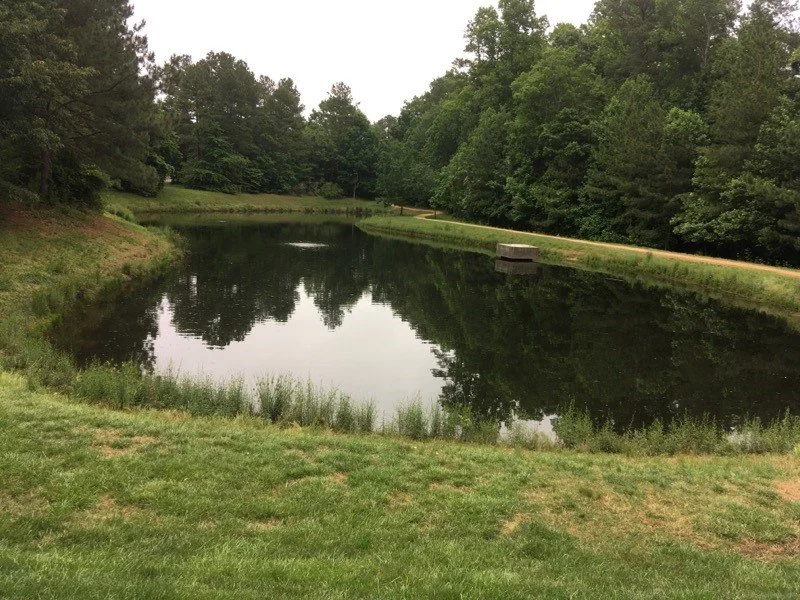
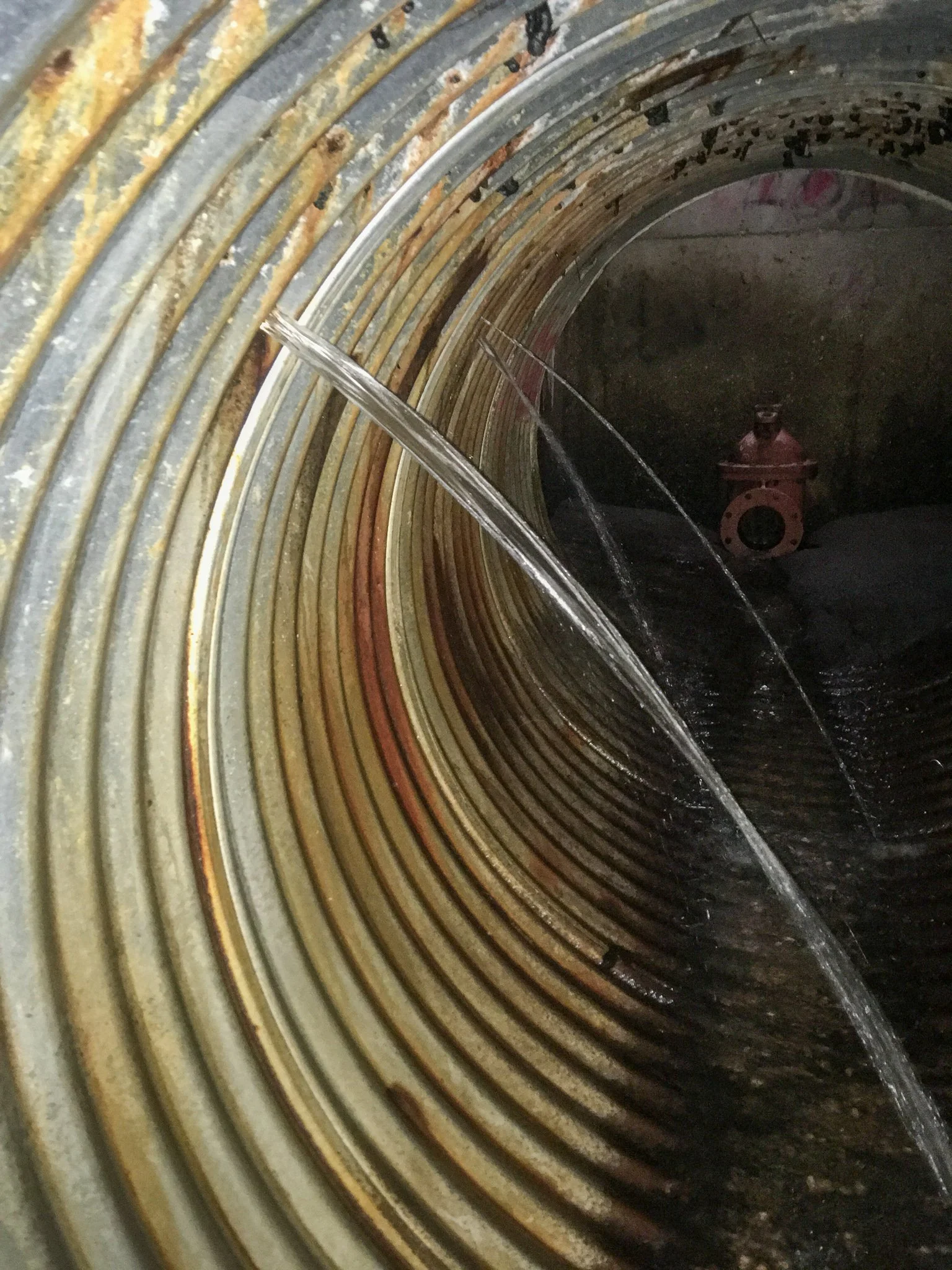
This is an example of a community retention pond that looks fine on the surface, however, a routine inspection identified several leaks within the outlet pipe that will eventually lead to significant issues such as potential sinkholes, low-water level, and debris accumulation within the outlet pipe.
The issues Horry County inspectors look for, including damaged pipes, eroding banks, failing outfall structures, and vegetation blocking inlets and outlets, are often the same issues that get deferred because they are not immediately visible. An algae bloom generates resident complaints. A slowly deteriorating inlet pipe generates nothing visible until it fails.
Outlet structures and risers are among the most commonly neglected components in community stormwater ponds. They are the functional heart of the detention system because they control the rate at which water is released from the pond during and after storm events. When they fail or become blocked, the pond cannot perform its designed stormwater function, flooding risk increases, and the HOA is in clear violation of its maintenance covenant.
Assuming the County Maintains the Ponds
Horry County is direct on this point: many stormwater systems are privately owned, including all stormwater ponds. The county maintains public drainage infrastructure including: roads, public drainage systems, county-managed waterways. Your community's ponds are your HOA's responsibility.
This is one of the most common misconceptions Dragonfly Pond Works encounters in communities that have not previously worked with a professional pond management company. Boards assume that if there's a problem, the county will handle it. The county will inspect it and require the HOA to handle it.
No Professional Engineer Relationship for Repairs
Horry County's Permanent Maintenance Covenant includes a specific provision: deficiencies identified during inspections may require a detailed repair plan prepared by a professional engineer licensed in South Carolina. HOAs that don't have an established relationship with a contractor capable of producing or coordinating that level of documentation can find themselves scrambling to meet a compliance deadline without the right vendor in place.
What Compliance Actually Looks Like
Meeting Horry County's stormwater pond maintenance requirements is not an extraordinary standard. It is a baseline of structured, documented stewardship that a well-managed community should be doing regardless of regulatory pressure. But for communities starting from zero, it requires intentional action.
A compliant stormwater pond maintenance program for a Carolina Forest HOA includes:
Routine Inspections With Written Documentation. Scheduled inspections of all ponds, pipes, swales, and drainage structures that are conducted by a qualified pond management company that produces written reports the HOA can retain. When the county inspects, those reports demonstrate a pattern of active maintenance. The documentation also identifies developing issues before they become Notice of Violation-level deficiencies.
Structural Maintenance and Monitoring. Regular evaluation of outlet structures, inlet pipes, riser assemblies, pond banks, and spillway areas. Stormwater infrastructure naturally ages over time. Pipes and structures can corrode, banks can begin to erode, and debris can accumulate throughout the system. Identifying problems early, such as a separating pipe joint, the first signs of bank erosion, or vegetation clogging a riser, can mean the difference between routine maintenance and a costly repair project.
Vegetation Management on Banks and Structures. Overgrown vegetation on pond banks and around inlet and outlet structures is one of the most consistently cited deficiencies in county inspections. A maintenance program that includes regular mowing and vegetation control around all structural components directly addresses one of the primary inspection failure points.
Water Quality and Aquatic Management. Maintaining water quality, controlling algae and aquatic vegetation, and managing the littoral zone are not just aesthetic concerns, they are part of operating a stormwater BMP that functions as designed. Excessive aquatic growth can obstruct pipes, reduce pond storage capacity, and contribute to the structural problems that trigger compliance findings.
Repair and Restoration Capabilities. When inspections identify structural issues, the HOA needs a contractor capable of executing the repair and, where required, coordinating with a licensed professional engineer to produce the documentation Horry County may require. A full-service pond management partner handles this within a single vendor relationship rather than requiring the HOA to source, manage, and coordinate between multiple contractors under compliance pressure.
The Cost Comparison That Matters
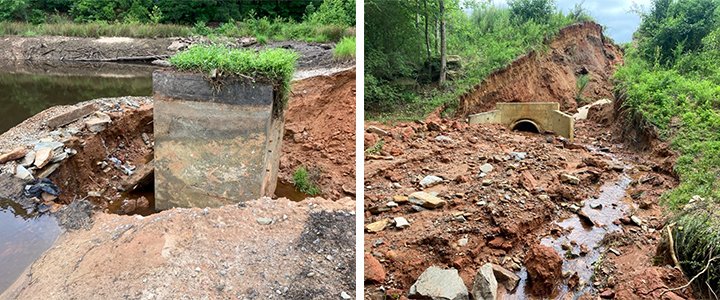
This started as a clogged riser. Deferred maintenance turned it into a blown-out dam, downstream flooding, major repairs, and a liability problem no HOA wants.
The conversation about stormwater compliance almost always comes back to money specifically, to boards that are weighing the cost of a professional maintenance program against the cost of doing nothing.
That comparison is not close. A proactive maintenance program keeps structural components in good working order, produces the documentation that protects the HOA during inspections, and catches developing problems at the maintenance stage rather than the repair stage. Corrective repairs to failing outlet structures, eroding banks, or damaged pipes are significantly more expensive than the routine maintenance that would have prevented or slowed the damage.
When a county inspection identifies deficiencies and issues a Notice of Violation, the HOA is not simply facing the cost of repairs. It is also working within a timeline established by the county. In some cases, the association may need to provide professional engineering documentation. The county will continue to monitor progress until every required correction has been completed. For boards managing reserve funds and annual budgets, that is a materially worse position than a planned, budgeted maintenance program.
Fines for stormwater violations can range from $50 to several thousand dollars per day, depending on the nature and severity of the violation and the jurisdiction. Horry County's enforcement posture is currently less aggressive than some other coastal SC markets, but the underlying obligation is not discretionary and enforcement activity in the region has been increasing as MS4 programs mature.
Where to Start
If your Carolina Forest HOA doesn't have a documented stormwater pond maintenance program, the right first step is understanding the current condition of your ponds and infrastructure.
Dragonfly Pond Works provides free site assessments for Carolina Forest HOA communities. We walk every pond and stormwater BMP, evaluate structural components and water quality conditions, identify existing deficiencies and developing issues, and deliver a clear maintenance plan including what needs to be addressed to bring your ponds into compliance and keep them there.
That assessment gives your board a documented starting point. It also gives you something to show the county if an inspection occurs while you are in the process of establishing a formal program.
Schedule Your Free Carolina Forest Pond Assessment →
Or contact us directly: Phone: 910-833-9764 Email: Info@dragonflypondworks.com
Dragonfly Pond Works provides full-service HOA pond maintenance, stormwater BMP management, structural repair and restoration, and compliance documentation services in Carolina Forest, Myrtle Beach, and throughout coastal South Carolina. We work with HOA boards, community association managers, property management firms, golf course communities, and municipalities.