
Pond, Lake, and Stormwater Management in Virginia Beach
Serving Virginia Beach, Norfolk, Chesapeake, Suffolk, Hampton Roads, and the Tidewater region.
Pond & Stormwater Management for Coastal Virginia Properties
Virginia Beach and the Hampton Roads region sit at the southern end of the Chesapeake Bay, where flat coastal terrain, a high water table, and tidal waterways create complex conditions for stormwater infrastructure. HOA ponds, commercial detention systems, and municipal stormwater facilities must handle heavy seasonal rainfall while meeting Virginia Stormwater Management Program requirements enforced by the Virginia Department of Environmental Quality.
Our Hampton Roads crew manages pond maintenance, stormwater facility maintenance and inspections, corrective repairs, fountain and aeration service, bank repair, sediment removal, and aquatic vegetation control throughout the region. Properties in this region also fall within the Chesapeake Bay watershed, which means stricter nutrient reduction standards apply to many stormwater facilities. Our team helps property owners meet both state and Bay-specific compliance requirements.
Contact Dragonfly Pond Works for a site assessment on your Virginia Beach area pond, lake, or stormwater system.
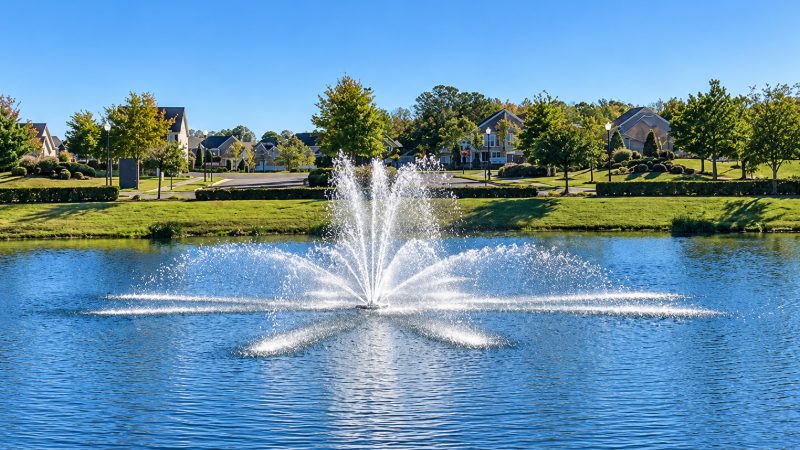
Stormwater retention pond with fountain in the Virginia Beach area
Area Services
We provide lake, pond, and stormwater management services across the Hampton Roads and Tidewater region. Select a category to see all services at this location.
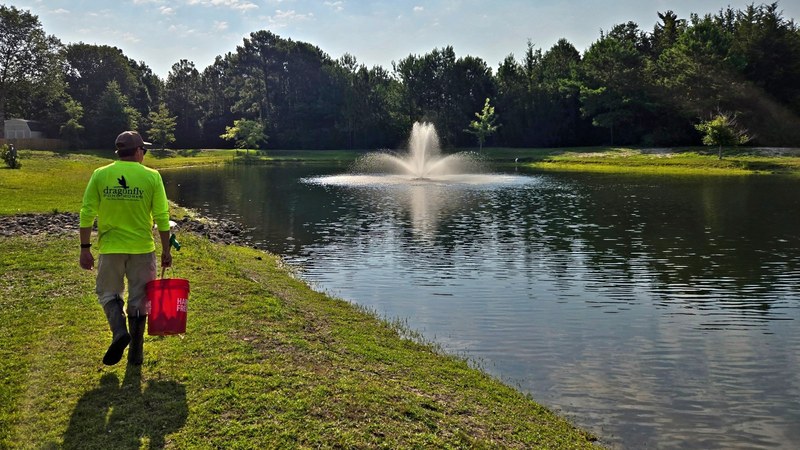


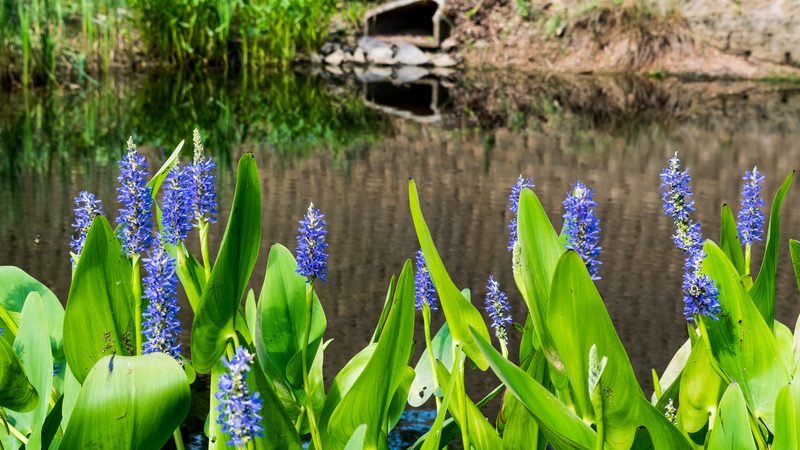

Recent Projects in Hampton Roads
What Clients Are Saying
Virginia Beach Coverage Area
Our Virginia Beach branch serves the independent cities and counties across Hampton Roads, including Virginia Beach, Norfolk, Chesapeake, Suffolk, Hampton, Newport News, Portsmouth, and surrounding areas. The region falls within the Chesapeake Bay watershed, which adds Total Maximum Daily Load nutrient reduction requirements on top of the Virginia Stormwater Management Program standards. Local stormwater management programs in each city enforce their own inspection and maintenance ordinances. Dragonfly Pond Works helps property owners and managers navigate this layered regulatory environment. We serve the following communities:
- Virginia Beach
- Norfolk
- Chesapeake
- Suffolk
- Hampton
- Newport News
- Portsmouth
- Williamsburg
- Yorktown
- Poquoson
- Smithfield
- Isle of Wight
- Carrollton
- Gloucester
- James City County
- Moyock
- Elizabeth City
- Outer Banks
- Kill Devil Hills
- Kitty Hawk
Frequently Asked Questions
Answers to some of the most frequently asked questions in the area. From local rules to algae, we've got you covered. If you have a different question, contact us.
Properties in the Chesapeake Bay watershed must meet Total Maximum Daily Load requirements for nitrogen, phosphorus, and sediment. This can affect how stormwater ponds are designed, maintained, and reported. The Virginia Department of Environmental Quality tracks compliance through the Virginia Stormwater Management Program, and some localities impose additional nutrient reduction measures. Our team factors these requirements into every maintenance plan we build for Hampton Roads properties.
Flat coastal terrain and high water tables across Hampton Roads limit how quickly ponds can discharge after a storm. Blocked outlet pipes, accumulated sediment, and undersized infrastructure all contribute to flooding. Our team evaluates the entire stormwater conveyance system, not just the pond itself, to identify and correct the root cause of the flooding.
Warm summers, nutrient runoff from lawns and impervious surfaces, and poor circulation in flat-bottomed ponds fuel algae blooms across the Tidewater region. We address algae with treatment programs that combine nutrient source control, aeration for improved water movement, and targeted applications tailored to the specific algae species present in each pond.
Yes. Hampton Roads developments use a variety of Best Management Practices beyond traditional ponds, including bioretention cells, sand filters, permeable pavement systems, and underground treatment devices. We inspect and maintain all of these facility types and provide reports that satisfy Virginia Stormwater Management Program documentation requirements.
Some ponds near tidal creeks and the Chesapeake Bay experience saltwater intrusion during storm surges or high tide events. This affects water chemistry, plantings, and outlet structure integrity. Our team monitors for salinity changes during site visits and recommends salt-tolerant plantings and corrosion-resistant materials where appropriate.
Canada geese, muskrats, and nutria are common wildlife concerns in the Virginia Beach area. Geese overload ponds with nutrients, muskrats and nutria burrow into dam embankments, and all three can damage shoreline plantings. We monitor for wildlife issues during routine visits and coordinate humane control measures when needed.
